
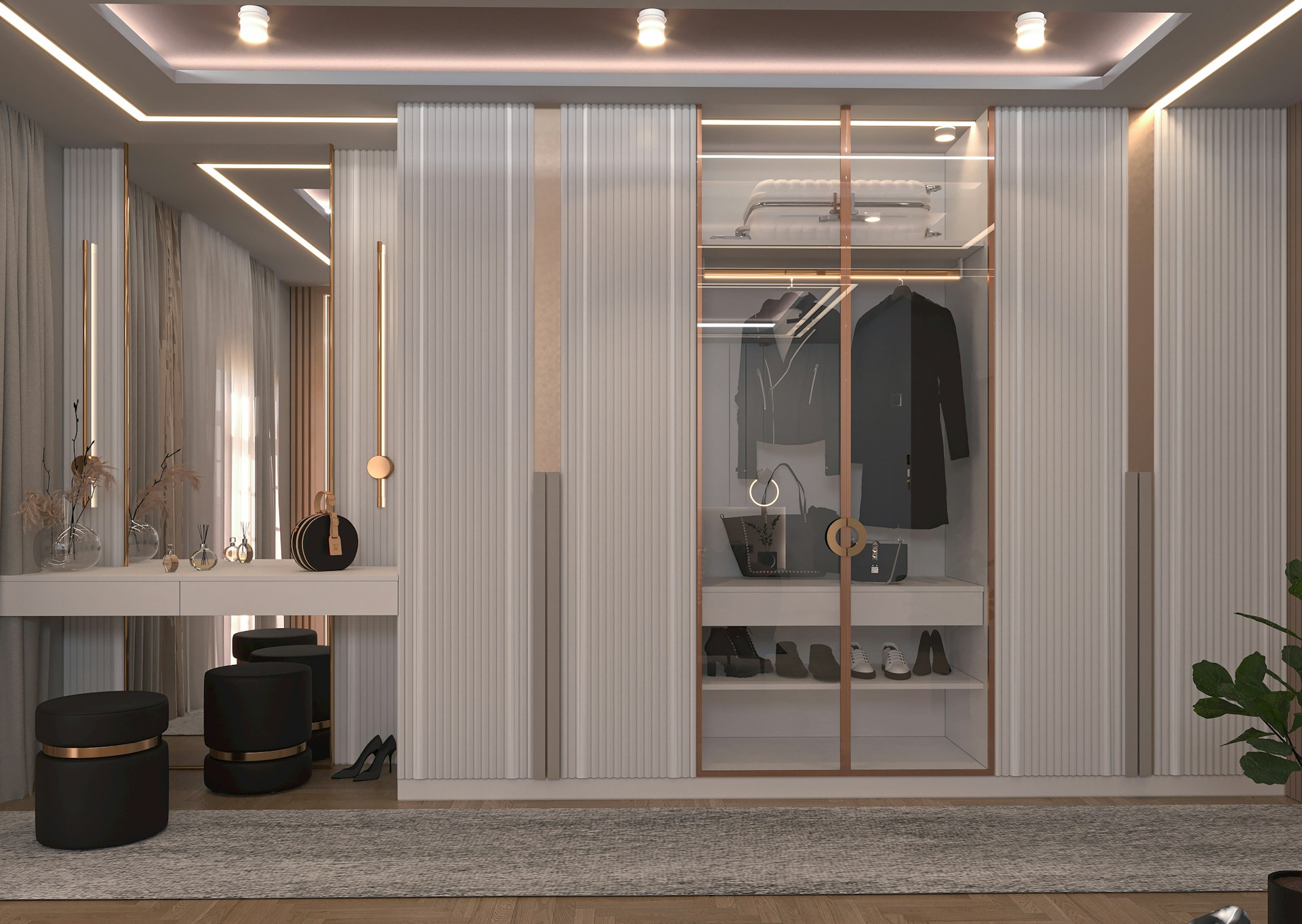

Selecting the right wardrobe is a significant decision, impacting both the functionality and aesthetics of your living space. Whether you’re moving into a new home, renovating, or simply looking to upgrade your storage solutions, finding the perfect wardrobe can make a big difference in how organized and comfortable your bedroom feels.
In this guide, we’ll explore everything you need to consider when choosing a wardrobe, from understanding your storage needs to selecting the right materials and style. By the end, you’ll be equipped with the knowledge to make a choice that not only meets your practical needs but also enhances the beauty of your space.
Understanding Your Storage Needs
Before you even start looking at wardrobe designs, it’s essential to understand your unique storage needs. This step ensures that you choose a wardrobe that not only fits your room but also accommodates all your clothing and accessories in a way that makes your daily routine smoother.
Begin by assessing what you own. Do you have more hanging clothes like dresses, blouses, and suits, or is your wardrobe predominantly made up of folded items like sweaters, jeans, and t-shirts? Knowing this will help you decide whether you need more hanging space or shelving.
Consider the accessories you own as well. Shoes, bags, belts, hats, and jewelry all need their own space, and a well-designed wardrobe will include compartments or drawers specifically for these items. It’s also wise to think about your seasonal clothing needs. For instance, if you have bulky winter coats or special holiday outfits, you’ll want a wardrobe with enough space to store these items during the off-season, keeping them out of sight until they’re needed.
Finally, think about the future. If you’re planning on expanding your clothing collection or sharing the wardrobe with a partner, you might want to choose a wardrobe that has a bit of extra space or one that can be easily modified as your needs change.
Measuring Your Space
Once you’ve determined what you need to store, the next step is measuring your space accurately. This is crucial to ensure that your wardrobe fits perfectly into your room without overwhelming the space or, conversely, feeling too small.
Start by measuring the width, height, and depth of the space where you plan to place your wardrobe. Be sure to account for windows, doors, and other architectural features that might affect where the wardrobe can go. If your room has high ceilings, you might want to consider a tall wardrobe to maximize vertical space, which can be especially useful in smaller rooms. Conversely, if your ceilings are lower, a more compact wardrobe design might be a better fit.
You’ll also need to consider how much clearance space you have. Wardrobe doors need space to open fully, so if your room is on the smaller side, sliding doors might be a better option than traditional hinged ones. Think about how the wardrobe will fit with the flow of the room. Will it obstruct pathways or make the space feel cramped? Ensuring that the wardrobe fits comfortably within the room’s layout is just as important as its storage capabilities.
Choosing the Right Wardrobe Style
After understanding your storage needs and measuring your space, the fun part begins—choosing the style of your wardrobe. The style you select should complement the rest of your room’s décor while providing the functionality you need.
Freestanding wardrobes are versatile and come in a wide range of sizes, styles, and materials. They are easy to move, which is a significant advantage if you tend to redecorate often or if you plan to relocate in the future. Freestanding wardrobes are available in various designs, from rustic wooden options to sleek modern finishes, making it easy to find one that fits your aesthetic.
Fitted wardrobes, on the other hand, are built into the walls of your room, offering a custom solution that maximizes space. These wardrobes are tailored to your specific measurements and storage needs, allowing for a seamless integration with the room’s architecture. Because they are custom-made, fitted wardrobes often create a more organized and spacious feel in the room, as they can be designed to fit into awkward spaces like alcoves or under sloping ceilings.
Sliding door wardrobes are another popular option, particularly in modern homes. They save space because the doors don’t require extra clearance to open, making them ideal for smaller rooms. Sliding doors also offer a sleek, contemporary look, and they can be customized with mirrors, glass, or colored panels to match your room’s design.
For those with more space, a walk-in wardrobe is the ultimate luxury. It provides ample storage and can even double as a dressing room. Walk-in wardrobes offer the opportunity to personalize every aspect of the layout, with different zones for hanging clothes, shelving, drawers, and even seating.
David, a custom wardrobe Sydney manufacturer explains, “A well-designed wardrobe isn’t just about storage; it’s about creating a space that works for you, day in and day out. Whether it’s a fitted wardrobe or a walk-in, the key is to make it personal—something that fits your lifestyle perfectly.”
Selecting the Right Material
The material of your wardrobe plays a crucial role in its durability, appearance, and cost. When selecting a wardrobe, it’s important to consider the different materials available and how they will fit into your home.
Solid wood wardrobes are a timeless choice, known for their durability and classic appeal. They offer a warmth and character that can enhance any room, particularly if you’re going for a traditional or rustic look. However, solid wood is heavier and often more expensive, so it’s important to ensure that the flooring in your room can support the weight. Additionally, solid wood requires some maintenance to keep it looking its best, but with proper care, it can last for decades.
MDF, or Medium Density Fiberboard, is a budget-friendly alternative to solid wood. It offers a smooth finish that can be painted or laminated, making it versatile in terms of design. MDF wardrobes are lighter and less expensive, making them a good option for those on a budget. However, MDF is less durable than solid wood and can be susceptible to moisture damage over time, so it might not be the best choice for damp or humid environments.
Plywood is another option, offering a good balance between cost and durability. It is stronger than MDF and less prone to warping, making it a solid choice for those looking for something that will last. Plywood can also be customized with veneers or laminates, giving you the flexibility to choose a finish that suits your style.
For a more modern, industrial look, metal wardrobes are an excellent choice. They are highly durable and often lighter than wood, making them easier to move if needed. Metal wardrobes are perfect for minimalist or contemporary interiors, but they can feel cold or impersonal, so they may not be the right fit for everyone.
Internal Layout and Features
The internal layout of your wardrobe is just as important as its external appearance. A well-organized wardrobe can make your daily routine smoother and keep your clothes in better condition.
Hanging space is essential for longer garments like dresses, suits, and coats. If you have a lot of these items, a wardrobe with ample hanging space is a must. Some wardrobes offer double rails, which are perfect for maximizing space when you need to hang shorter items like shirts and blouses. Consider wardrobes with adjustable rails, allowing you to customize the height to fit your needs.
Shelving is another critical component of a well-designed wardrobe. Open shelves are ideal for folded items, keeping everything visible and easy to access. Adjustable shelves offer the flexibility to accommodate different clothing sizes and types, which is particularly useful if your wardrobe changes with the seasons.
Drawers are perfect for storing smaller items like underwear, socks, and accessories. Internal drawers, especially those with a soft-close mechanism, add a touch of luxury to your wardrobe. Soft-close drawers prevent the drawers from slamming shut, reducing wear and tear on the wardrobe over time.
Specialty compartments can make a big difference in how organized your wardrobe feels. Shoe racks keep your footwear neatly arranged and easily accessible. Jewelry trays, often built into the drawers, provide a safe and organized place for your accessories. Many wardrobes also include built-in mirrors, which are both practical and space-saving, eliminating the need for a separate full-length mirror in the room.
Aesthetic Considerations
Your wardrobe should not only be functional but also enhance the overall design of your room. Consider the color, finish, and hardware of the wardrobe to ensure it complements your space.
When choosing a color and finish, think about how the wardrobe will harmonize with the rest of your room. A wardrobe that matches the other furniture in your room, such as a bed frame or nightstand, will create a cohesive look. Alternatively, a wardrobe with a contrasting color or finish can serve as a statement piece, adding character and depth to the room.
The handles and hardware on your wardrobe can also significantly impact its overall look. Sleek, modern handles are perfect for contemporary spaces, while more ornate handles might suit a traditional or vintage-inspired room. Consider the material of the hardware as well—brass, chrome, and wood each offer a different feel and can change the wardrobe’s style dramatically.
Mirrored panels are a popular choice, particularly for smaller rooms. They can make the space feel larger and brighter by reflecting light and opening up the room. Mirrors are also practical, as they eliminate the need for a separate mirror, saving space and adding functionality to the wardrobe.
Budget Considerations
Wardrobes come in a wide range of prices, so it’s important to set a budget before you start shopping. However, it’s also important to consider the long-term value of your wardrobe.
While it might be tempting to choose the cheapest option, investing in a high-quality wardrobe can save you money in the long run. A durable, well-made wardrobe will last longer, look better, and protect your clothing more effectively than a cheaper alternative. When budgeting, think about the wardrobe as a long-term investment in your home and lifestyle.
