
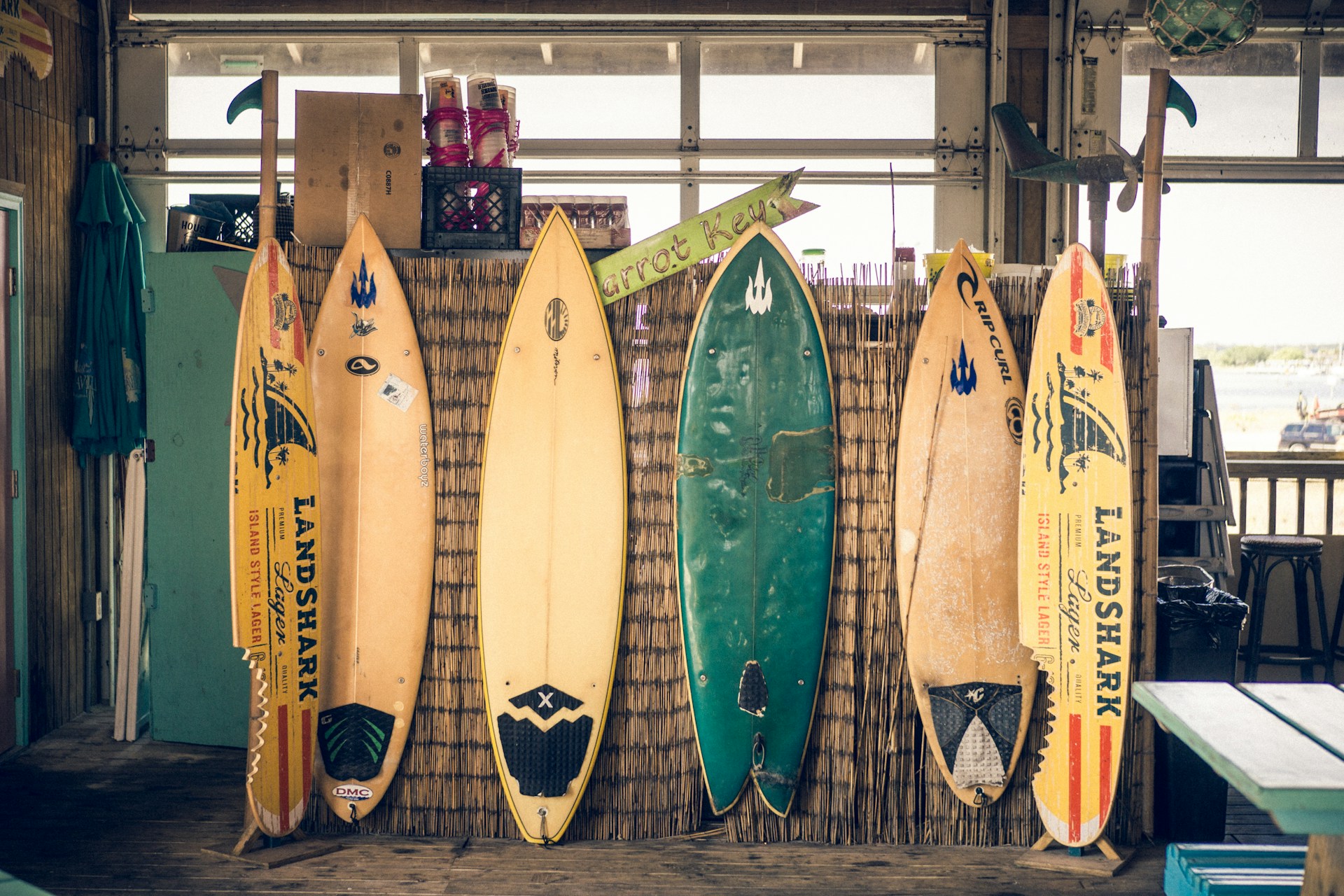

Australia’s surf culture is more than just a pastime; it’s a lifestyle that has deeply influenced the country’s fashion industry. Surf wear, born out of necessity and practicality, has evolved significantly over the decades. It has transitioned from simple, functional garments to stylish, versatile pieces that blend performance with aesthetics. In this article, we will explore the historical changes in surf wear, examine the factors driving these changes, and highlight the emerging trends shaping the future of surf fashion.
The Evolution of Surf Wear
Early Days: Function Over Fashion
In the early 20th century, surfing began to gain popularity in Australia. The surf wear of this era was rudimentary and focused primarily on functionality. Surfers typically wore woolen swimsuits that, while effective in terms of buoyancy and warmth, were heavy and uncomfortable when wet.
As surfing grew in popularity during the 1950s and 1960s, the need for more practical and comfortable surf wear became evident. This period saw the introduction of the first board shorts, made from lightweight cotton fabric that allowed for greater mobility and faster drying times. These early board shorts were simple in design, often featuring solid colors or basic patterns.
The 1970s and 1980s: The Birth of Surf Brands
The 1970s and 1980s marked a significant shift in surf wear with the emergence of iconic surf brands such as Quiksilver, Billabong, and Rip Curl. These brands were founded by surfers who understood the specific needs of the sport and sought to create functional yet stylish clothing.
Key Innovations:
- Board Shorts: The classic board short underwent significant improvements, with new materials such as nylon and polyester offering greater durability, flexibility, and quicker drying times. Designs became more vibrant, featuring bold prints and colors that reflected the youthful, rebellious spirit of the surf culture.
- Wetsuits: Rip Curl revolutionized the market with the introduction of the first commercially viable wetsuits, allowing surfers to enjoy the sport year-round. These wetsuits were made from neoprene, a material that provided excellent insulation and flexibility.
The 1990s and 2000s: Fashion Meets Function
The 1990s and early 2000s saw surf wear becoming mainstream, with surf brands expanding beyond the beach and into urban fashion. This era was characterized by a blend of functionality and fashion, as surf wear began to influence streetwear trends.
Popular Trends:
- Graphic Tees and Hoodies: Graphic t-shirts and hoodies featuring surf brand logos and coastal motifs became popular both on and off the beach.
- Hybrid Shorts: The development of hybrid shorts, which could be worn both in the water and as casual wear, exemplified the merging of surf and everyday fashion.
Factors Driving Changes in Surf Wear
Technological Advancements
One of the primary drivers of change in surf wear has been technological advancements. Innovations in fabric technology have led to the development of materials that offer superior performance. Modern surf wear fabrics are lightweight, quick-drying, UV-resistant, and environmentally friendly.
Examples:
- Recycled Fabrics: Many brands now use recycled polyester made from plastic bottles and ocean waste, aligning with the growing emphasis on sustainability.
- 4-Way Stretch Fabric: This innovation provides surfers with unparalleled flexibility and comfort, allowing for a greater range of motion.
Environmental Awareness
The surf community has always had a strong connection to the ocean, and this has fostered a growing awareness of environmental issues. As a result, there has been a significant push towards sustainability in surf wear.
Sustainable Practices:
- Eco-Friendly Materials: Brands are increasingly using organic cotton, recycled polyester, and other sustainable materials in their products.
- Ethical Production: There is a focus on ethical manufacturing processes, ensuring fair labor practices and reducing the environmental footprint of production.
Cultural Influences
Surf wear has also been influenced by broader cultural trends. The rise of social media and the influence of surf lifestyle influencers have played a significant role in shaping surf fashion. This has led to a more diverse range of styles, catering to a global audience.
Emerging Trends in Surf Wear
Sustainable Surf Wear
Sustainability is not just a trend but a fundamental shift in the surf wear industry. Brands are continuously innovating to create products that minimize environmental impact.
Key Developments:
- Biodegradable Materials: Research is ongoing into developing biodegradable wetsuits and board shorts, which would significantly reduce waste.
- Second-Hand and Upcycled Fashion: There is a growing market for second-hand and upcycled surf wear, promoting a circular economy.
Tech-Integrated Surf Wear
Technology integration is an exciting frontier in surf wear. Wearable technology and smart fabrics are opening up new possibilities for enhancing performance and safety.
Innovations:
- Smart Wetsuits: These wetsuits can monitor vital signs, track surf sessions, and even provide warmth on demand.
- UV-Responsive Clothing: Fabrics that change color or pattern in response to UV exposure, helping surfers gauge their sun exposure and protect their skin.
Retro Revival
Nostalgia for the styles of the 70s, 80s, and 90s is driving a retro revival in surf wear. Modern designs are incorporating vintage elements, creating a blend of old and new.
Popular Retro Elements:
- High-Waisted Board Shorts: These shorts, reminiscent of the 70s, are making a comeback with contemporary twists.
- Bold Prints and Colors: Vibrant, eye-catching designs that harken back to the early days of surf culture are becoming popular again.
Gender-Inclusive and Adaptive Surf Wear
There is a growing recognition of the need for more inclusive and adaptive surf wear options. Brands are expanding their ranges to cater to diverse body types and abilities.
Inclusive Features:
- Adaptive Wetsuits: Designed for surfers with disabilities, these wetsuits feature easy-entry zippers and adjustable fits.
- Gender-Neutral Designs: Surf wear that is designed to be gender-neutral, breaking away from traditional gender norms.
